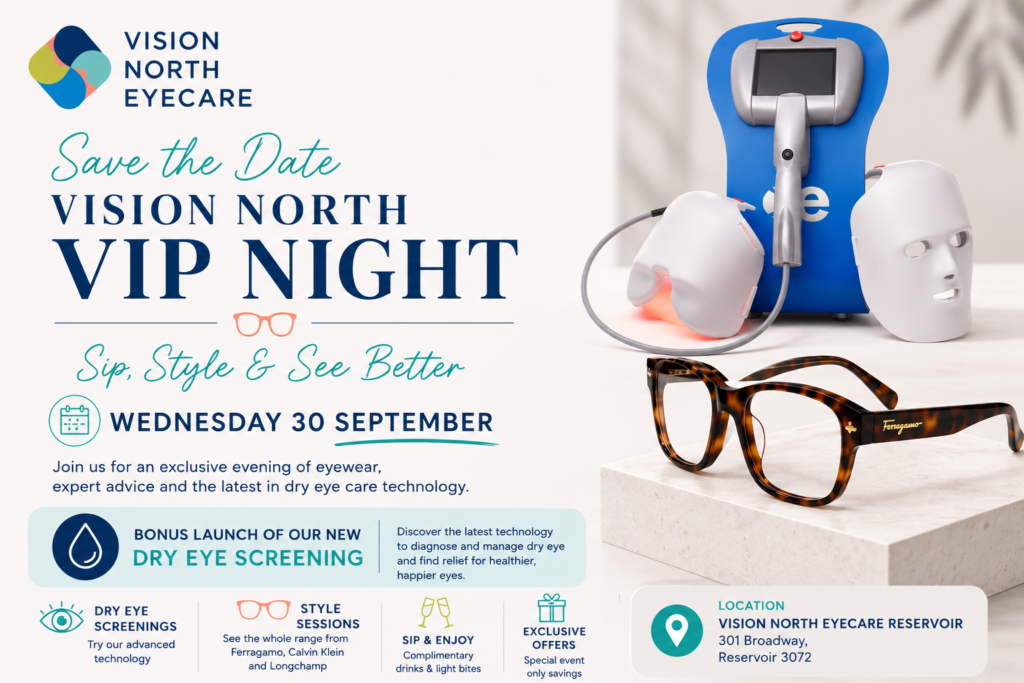
Dry eye is a very common eye condition that can cause considerable discomfort and affect the quality of life for many people.
Dry eyes occur when your tears aren’t able to provide adequate lubrication for your eyes. This can happen for a variety of reasons, including insufficient tear production or excessive tear evaporation. Tears are essential for maintaining the health of the front surface of the eye and providing clear vision.
Common causes of dry eyes
- Environmental: Prolonged exposure to wind, smoke, or dry air can increase tear evaporation. Spending long hours in front of a computer screen can also contribute to dry eyes.
- Aging: As we age, our tear production tends to decrease. This is especially common in postmenopausal women due to hormonal changes.
- Medications: Certain medications, including antihistamines, decongestants, antidepressants, and blood pressure medications, can reduce tear production.
- Medical Conditions: Conditions like rheumatoid arthritis, diabetes, and thyroid disorders can lead to dry eyes. Inflammation of the eyelids (blepharitis) and inflammation of the surfaces of the eye (keratitis) are also common causes
- Contact Lenses: Wearing contact lenses for extended periods can reduce tear production and cause discomfort.
Common symptoms of dry eyes:
- Stinging, burning, gritty sensation in the eyes
- Watery eyes (eye’s response to dry eyes)
- Increased light sensitivity
- Redness of the eyes
- Blurred vision
Diagnosis of Dry Eyes:
There are three main types of dry eyes that can be diagnosed by your optometrist or eye health professional:
- Evaporative dry eyes: caused by increased evaporation of the tears due to loss of the lipid layer from the tears.
- Aqueous deficient dry eyes: caused by a lack of tear production by the lacrimal glands
- Mixture of evaporative and aqueous deficient dry eyes
Treatment of Dry Eyes
- Treatment of dry eyes may depend on the type of dry eyes diagnosed and may include the following:
- Artificial tears/tear supplements – regular use of lubricating eye drops can help relieve mild dry eyes
- Warm compresses and lid hygiene- ensuring clean eyelids & expressing the oil glands can help relieve dry eyes.
- Punctal plugs-tiny plugs can be inserted into the tear ducts to slow tear drainage, keeping the eyes moist.
- Dietary adjustments – taking omega-3 in the form of fish-oil supplements may help with dry eyes
- Lifestyle changes- wearing sunglasses when outside, increase humidity in room, avoid sitting in front of air-conditioner/heater
- In-office treatment with Blephasteam
In-Office treatment of Dry Eyes: Blephasteam:
- Blephasteam is an eyelid warming device that aims to apply moist heat the eyelids to soften the oils and hence improve secretion of oils into your tears
- These oils contribute to an oil layer that prevents your tears from evaporating and thus can help with dry eyes.
- Blephasteam can be used as an alternative or adjunct to traditional warm compress treatment of the eyelids
Common tear supplements prescribed by our clinic:
- Cationorm– formulated to treat all layers of tears and. Good for moderate/severe dry eyes and with contact lenses
- Systane Complete– oil-based eye drop that is good for all types of dry eyes including evaporative dry eyes (or lipid deficient dry eyes)
- Systane Hydration- good for prolonged & sustained relief from moderate/severe dry eyes. Can be used with contact lens wear
- Systane Ultra– good for occasional/mild dry eyes
- Hyloforte-comes in a pump bottle and contains sodium hyaluronate which is more healing for inflamed eyes. Good for moderate/severe dry eyes. Can also be used with contact lens wear
- Hylofresh contains less sodium hyaluronate than Hyloforte
- Refresh– good for occasional/general dry eyes
- Xailin gel (night and day)- thicker eye drop/ointment provides sustained/prolonged relief from dry eyes. It may affect vision and thus is generally recommended for night time application.
Preservative Free vs Preservative eye drops
- Preservative Free eye drops are generally better for frequent use of drops (e.g. more than 4 times a day).
- Preservative eye drops do have a longer shelf life and generally cost less then preservative free drops. They are generally safe if you are using eye drops occasionally, however some patients can be allergic to certain preservatives.
Eye drops, gel or ointment:
- Ointment and gel-based eye drops are thicker than liquid-based eye drops. They tend to stay to stick on the ocular surface longer and hence provide longer-lasting relief from dry eyes. However they may blurry vision after installation.
- It is generally recommended that liquid drops are used during the day and gel/ointments at night.